A Real-World Guide to What to Eat (and How to Plan It)
Eating low-carb diet foods can seem so easy when we’re sprawled on the couch and snacking on pork rinds, but then real life makes almost everything more complicated. You’ve got stuff to do, hunger hits at 4 p.m., and all of a sudden you’re staring down the label of a snack bar that you wouldn’t even be sure is edible if it weren’t sold on the shelf of your local supermarket. On top of all that advice mixed together online, it’s easy to ping-pong between being too strict and throwing in the towel.
“Low carb” also isn’t a single number. Some people thrive on a moderate cut that leaves room for fruit and beans; others prefer a full-on keto-style approach with much less. The optimal range is going to depend on your goal, schedule, and how your body responds.
This guide prioritizes food. You’ll learn from scratch how to choose a carb limit, which foods are safest at a typical US grocery store, and rock-simple Low Carb Meal Plans that you can put into play this week without turning your meals into complex math problems.
What counts as “low carb,” and how to pick a carb target that fits your life
Most people quit low carb because they start with rules instead of routines. A better approach is to pick a carb range you can live with, then build meals around filling foods.
Here are simple ranges many people use:
- Moderate low carb (about 75 to 130 grams of carbs per day): Often easiest for beginners. You can usually keep fruit, beans, and small portions of whole grains.
- Lower carb (about 50 to 75 grams per day): More structured, but still flexible. You’ll likely limit bread, pasta, rice, and sweets most days.
- Keto-style low carb (often under 20 to 50 grams per day): Much stricter. Meals lean heavily on protein, non-starchy veggies, and fats.
As for taking a step back, in January 2026 the discernible direction is more and more people moving away from extremes toward modulated versions. Many experts are stressing higher protein, more fiber, and a focus on whole foods rather than ultra-precise carb limits. That’s good news if you want return without being tied in.
If you don’t know where to start, go with a moderate low-carb range (say 20 to 50 g of carbs per day) for an entire week and look out for three signals: hunger, energy, and cravings. If you’re consistently hungry, you may need more protein, vegetables, or a slightly higher carb target from whole foods.
A quick safety note: if you’re pregnant, have kidney disease, or are on diabetes medications (especially insulin or meds that can cause low blood sugar), discuss any big changes in your carb intake with a clinician. It doesn’t need to be an ordeal, but it should be organized.
Total carbs vs net carbs: the quick way to read a label
Food labels list total carbohydrates, which includes fiber and sugars. Many low-carb plans use net carbs, which is a rough estimate of carbs that may affect blood sugar more.
The quick math:
Net carbs = total carbs minus fiber (and sometimes minus sugar alcohols).
Example: A snack containing 18 g total carbs, 10 g fiber, and 4 g sugar alcohols. Net carbs: 4 g. (Some would count that as 18 minus 10 minus 4, or a net carb intake of 4 g.)
Two reminders keep this realistic. 1) Sugar alcohols affect people in unpredictable ways, so never assume “net” always means “free.” Two, your body is the best judge. If a food marketed as “low-net-carb” leaves you hungrier within an hour or spikes your blood sugar, it’s functionally just the same as a higher-carb product for you.
The easiest “plate method” for low-carb meals
Think of your plate like a simple template, not a tight rule:
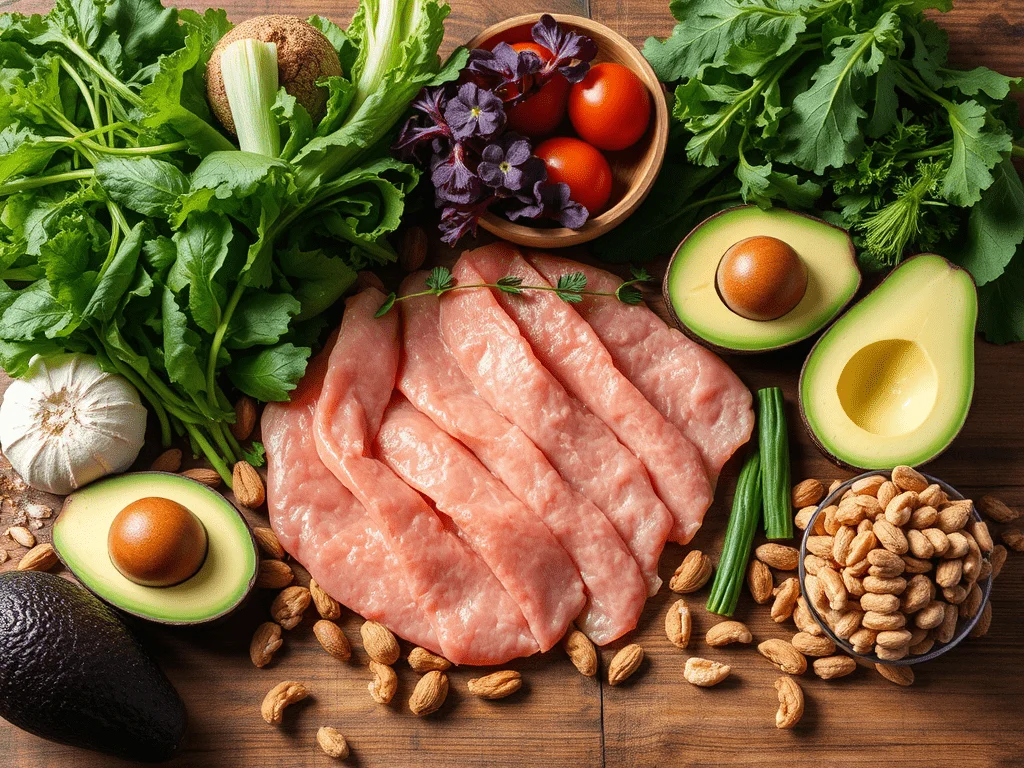
- Protein (the anchor): chicken, eggs, fish, beef, tofu, turkey
- Non-starchy veggies (the volume): broccoli, salad greens, peppers, zucchini
- A fat you enjoy (the staying power): olive oil, avocado, cheese, butter, nuts
Though if you’re not doing keto, you can add a bit of higher-carb foods based on your carb goal (like some black beans in a salad, a small apple, or a side of berries). The issue is control, not never eating a certain food.
For more of a hands-on shopping list approach, try following a dietitian-provided guide like a low-carb grocery list breakdown, which can help you see what “real food low carb” looks like in the store.
The best low-carb diet foods to stock up on (by aisle, not by rules)
The easiest way to eat healthy is to make your kitchen a boring place. With good low-carb diet foods in your fridge, you don’t need heroic willpower on a Tuesday night.
Instead of memorizing lists of “allowed” foods, shop by categories that you’ll actually use. Prioritize fresh foods first, then use a handful of convenience items to keep your head above water. Also, nuts and berries can add up fast. They’re wonderful, but it is challenging to eat just a few more than you intended.
But here’s a simple way to think about it: proteins and vegetables are your staples, fats and extras are your helpers, and packaged food is for convenience—like driving instead of walking when possible.
Proteins that keep you full: eggs, chicken, beef, fish, and more
The protein is one of the things that makes low carb seem sane. When protein intake is too low, cravings shout and snack foods look like meals.
Best readily available choices:
Eggs (both whole and whites) Chicken breast or chicken thighs Turkey Lean ground beef Steak Pork chops Pork shoulder Canned Tuna Sardines Shrimp Fatty fish such as Salmon Fatty fish is unique in that it also contains omega-3 fats.
Fast meal ideas built from these:
- Sheet-pan chicken and broccoli: Toss chicken thighs and broccoli with olive oil, salt, pepper, and garlic powder, and roast until browned.
- Tuna salad lettuce wraps: Mix canned tuna with mayo or Greek yogurt, add diced celery and pickles, and wrap in romaine leaves.
- Burger bowl: Ground beef patty over shredded lettuce with tomato, pickles, cheese, and a drizzle of ranch or olive oil.
Convenience options can help too. Try to find jerky or meat sticks that are labeled “no sugar added” when you’re in need of something portable, and always check the label—some brands add much more sugar than you would expect. If you need a longer list of “approved foods” for more strict keto-style eating, 7-Day Mediterranean Diet Meal Plan for Weight Loss can be useful as a comparison point.
Low-starch veggies that add crunch, volume, and fiber
Non-starchy veggies have two jobs to do here on low carb: fill your plate and bring fiber back into the day. And what matters is that low-carb eating in 2026 will be more about fiber and gut health, not just carb cutting.
Stock these often:
Broccoli, cauliflower, spinach, kale, romaine lettuce, arugula leaves, zucchini, bell peppers, and asparagus; Brussels sprouts and cabbage; green beans and mushrooms; cucumbers and tomatoes. Avocado is botanically a fruit but a low-carb kitchen staple for its fats and fiber.
Easy Planning with Less Resistance to Overcome:
A bag of frozen steam-in-bag veggies is weeknight gold. Pre-chopped stir-fry kits save time. Bagged salad kits are fine; just be careful with sweet dressings, and add your own oil and vinegar if necessary.
Two swaps in particular are fan favorites to make dinner feel comforting:
Cauliflower rice works under stir-fries, taco bowls, and salmon. Zucchini noodles (zoodles) work with meat sauce, pesto, or a quick garlic butter shrimp topping.
A quick reality check: veggies still have carbs, but they’re the kind that usually supports your goal because of the fiber and volume.
Dairy, nuts, and extras that make low-carb feel doable
This is the part that keeps people from feeling as if they are depriving themselves. The point isn’t to douse meals in fat; it’s to deploy satisfying add-ons so meals feel whole.
Good dairy options are cheese, cottage cheese, sour cream, plain full-fat greek yogurt (in moderation!), butter or ghee, and heavy cream for coffee or in sauces. If you go with yogurt, make sure to stick with the plain and then add your own toppings so sugar doesn’t sneak in.
Nuts and seeds are also excellent, but portions count. A small cue is about 1 ounce, or roughly a handful. Good options are almonds, macadamias, pecans, and walnuts, as well as chia seeds, flaxseed, and pumpkin seeds.
For cooking fats, people like olive oil and avocado oil for their ease on salads and for roasting. Olives, pickles, and mustard are also high-impact, low-carb flavor boosters.
For sweet cravings, keep it simple. A small serving of berries with whipped cream or yogurt can scratch the itch. Some people like stevia-sweetened treats but use them as a bridge, not a main food group. If you want a printable-style reference to compare options, a low-carb foods list printable can help you spot patterns.
If you prefer a more structured shopping approach, Simple 7-Day Keto Diet Meal Plan You Can Follow Easily can give you ideas for what to keep on hand, even if you’re staying in a moderate low-carb range.
Low Carb Meal Plans made simple: a 3-day starter you can repeat
The top Low Carb Meal Plans don’t need perfect tracking. (They depend on You can repeat that over and over again or stick to a short list of items you actually enjoy eating. Can you cycle through several breakfasts, lunches, and dinners and no longer ask what am I eating?” every day?
Great structure for a busy workday:
- Breakfast: protein-forward, simple, low decision
- Lunch: leftovers or a big salad with a protein
- Dinner: protein plus veggie, plus a fat or sauce
- Snack (optional): only if you’re truly hungry
Here’s a 3-day starter you can repeat, swap, and meal prep:
| Day | Breakfast | Lunch | Dinner | Optional snack |
| 1 | Scrambled eggs with spinach and cheese | Chicken salad over greens | Salmon with roasted broccoli | Greek yogurt with a few berries |
| 2 | Omelet with mushrooms and peppers | Tuna lettuce wraps | Burger bowl with avocado | Jerky (no sugar added) |
| 3 | Cottage cheese with chia and cinnamon | Leftover salmon salad | Beef stir-fry with zucchini noodles | Nuts (about 1 oz) |
If you tend to feel headachy or “flat” when you lower carbs fast, hydration matters. Some people also feel better adding a bit of salt to meals, especially early on, since lower carb eating can change water balance. Keep it simple and listen to your body.
A mix-and-match formula for breakfasts, lunches, dinners, and snacks
Use these as building blocks. Repeat the ones you like.
Breakfast ideas (pick 1):
- Eggs plus greens: scrambled eggs with spinach, topped with cheese
- Greek yogurt bowl: plain Greek yogurt, a few berries, chia seeds
- Breakfast skillet: ground turkey with peppers and a fried egg
Lunch ideas (pick 1):
- Big salad with protein: chicken, olive oil and vinegar, avocado
- Leftovers on purpose: last night’s steak with a side salad
- Deli roll-ups: turkey, cheese, pickles, mustard, plus cucumber slices
Dinner ideas (pick 1):
- Sheet-pan meal: chicken thighs, broccoli, olive oil, spices
- Stir-fry night: beef, mushrooms, cabbage, sesame oil (light), soy sauce
- Fish plus veg: salmon with asparagus, butter, lemon
Snack ideas (optional, pick 1 if hungry):
- Cheese sticks or cheese crisps
- No-sugar-added jerky
- A small handful of nuts
- Cucumber slices with ranch
- Greek yogurt with cinnamon
If you want another reference list to cross-check foods for stricter days, What is the Best Diet for Women? This can help; just remember that you don’t have to follow a keto diet to benefit from low-carb habits.
3 common “low-carb mistakes” that make people quit
Most low-carb blowups aren’t about discipline. They’re about setup.
- Going too low too fast: Dropping to keto-level carbs overnight can leave you tired and cranky. Fix: start moderate for a week, then adjust based on results.
- Not eating enough protein or veggies: People cut bread and pasta but forget to replace the volume. Fix: plan protein first, then add two veggies, then add fat for flavor.
- Living on “keto snacks” instead of meals: Packaged bars and cookies can keep cravings alive and don’t always satisfy. Fix: eat real meals; use snacks as backup.
If you’re stuck, track for one week. An app works, but a notebook is fine. Write down meals, hunger level, and how you felt after. Patterns show up quickly.
Conclusion
Low carb is the most effective when it’s practical. Choose a carb budget that will become repeatable for you, fill up your kitchen with quick and easy low-carb foods, and let autopilot take over. Protein and non-starchy vegetables take care of most meals; some judicious extras—choose from cheese, olive oil, or a small handful of nuts—make it feel like normal eating.
To get going this week, pick 10 things you’ll actually cook from your pantry and fridge; plan three dinners with them and shop once. Repeat your preferred breakfasts, then turn the leftovers into lunch. Your perfect Low Carb Meal Plans are going to meet your energy levels, hunger pangs, and whatever else. Which doesn’t mean someone else’s rules! Keep tabs on how you feel and adjust slowly, with tiny tweaks, one small change at a time.
Key Takeaways
- Eating low-carb diet foods can be easy if you establish simple routines rather than strict rules.
- Choose a carb target that suits your lifestyle, ranging from moderate to keto-style low-carb options.
- Focus on protein, non-starchy vegetables, and satisfying fats to keep meals enjoyable and fulfilling.
- Stock up on low-carb diet foods by category: prioritize fresh proteins and veggies, then add convenient items.
- Utilize mix-and-match meal plans for breakfast, lunch, and dinner to simplify low-carb meal preparation.
Estimated reading time: 11 minutes


Had an amazing experience winning big here last weekend! The customer support was very helpful when I had questions about the withdrawal. Love vnhitclubwin.
The VIP treatment here is legit. I really appreciate how responsive the customer support is whenever I have a question about my bonus. Keep it up! phvipph
Heard about 666betfreebet offering some free bet action, and I had to try it out. The promo was pretty sweet, easy to claim, and I actually managed to win a little something! Website design isn’t ground-breaking, but it works. See what freebies you can get over at 666betfreebet.
Honestly the best experience I have had with a slot site recently. The payouts are fair and the interface is super smooth. Definitely check out jili988casinologin if you want a reliable place to play.
Such a fun and refreshing way to spend my free time. The community here is great and the rewards are generous. Check out phlukycola.
Love the vibe of this site! It is very intuitive and the bonuses for new players are actually worth it. Keep it up! phjiliday